Most people who ask whether they are too old for dental implants are not: there is no upper age limit for implants in itself. Bone in a healthy 75-year-old can bond to an implant much as it does in a younger adult. What decides the answer is your general health, your medications, the bone you have, how you heal, and whether you (or someone helping you) can keep the area clean. This guide goes through each of those, plus the gentler options when a full implant plan is not the right fit.
An implant works because bone grows tightly against its surface over a few months. That healing process slows a little with age, but it does not switch off. Dentists place implants for people in their seventies, eighties and beyond when the rest of the picture supports it.
There is a lower age limit, though: teenagers usually wait until the jaw has finished growing, because an implant does not move with growing bone the way a natural tooth does. At the other end, the question changes from "how old are you?" to "how healthy are you, and what do you want your mouth to do for the next ten or twenty years?"
That is also why two people of the same age can get very different advice. A fit, active 80-year-old with good bone may be a straightforward case. A 62-year-old with uncontrolled diabetes who smokes may be asked to wait and get a few things in order first.
These are the questions that shape the plan, and none of them is about age directly:
This is the question many people really mean, and it deserves a gentle, honest answer. Nobody can tell you how many years you have, so the more useful question is what would make the coming years better. For many older adults the answer is simple: being able to chew a steak, an apple or a pastelito without worrying that teeth will slip, and eating a wider range of foods, which supports good nutrition.
It is also worth thinking ahead. If your hands or memory may change, a design that a family member or caregiver can easily clean matters. A removable denture that snaps onto implants can be taken out and scrubbed at a sink. Fixed teeth that only the dentist removes need a steadier daily routine and more professional cleanings. Neither is better in every case; it depends on you and your support at home.
If someone in the family is helping you decide, bring them. Questions from a son, daughter or spouse are welcome, and our team can talk them through in English or Spanish.
Implants are one route, not the only one. This is how the common choices tend to compare for older adults:
| Option | Surgery? | Comes out to clean? | Worth knowing |
|---|---|---|---|
| Single implant | Yes, minor | No | From $1,999 at Prana (implant, abutment and crown) |
| Implant-supported bridge | Yes | No | Replaces a few teeth in a row on two or more implants; quoted after an exam |
| Snap-in denture on implants | Yes, often two implants on the lower jaw | Yes | Much steadier than a regular denture and easy for a helper to clean; quoted after an exam |
| Fixed full arch (All-on-X) | Yes, larger | No, only by the dentist | From $9,999 per arch; needs a careful daily routine |
| Complete or partial denture | No | Yes | Lowest up-front cost; may need relines as the gums change |
Many people start with a denture and add implants later, when health and budget allow. Our dentures page explains complete, partial and implant-supported versions in more depth, and the dental implants page covers single implants, what the price includes and the usual timeline.
A little preparation makes the first appointment much more useful. Bring your medication list (including vitamins and anything given by infusion or injection), your physician's name and phone number, any current denture or partial, and older dental X-rays if you have them.
At Prana Dental the first visit is free and includes an exam, a 3D scan and a digital smile preview with Dr. Aakash Rana, DDS, a general dentist trained at NYU. If X-rays or a CBCT scan are needed to plan an implant, we explain why and what they involve before anything is taken. When a case is complex, for example very little bone or a medical history that calls for a hospital setting, Dr. Rana refers you to an oral surgeon and explains why.
On cost: Original Medicare generally does not cover dental implants, while some Medicare Advantage plans include dental benefits with their own limits. Many dental plans have annual maximums often in the $1,000 to $2,000 range. For the rest, there are 0% financing options on approved credit through CareCredit, Cherry and LendingClub. We check your benefits for you.
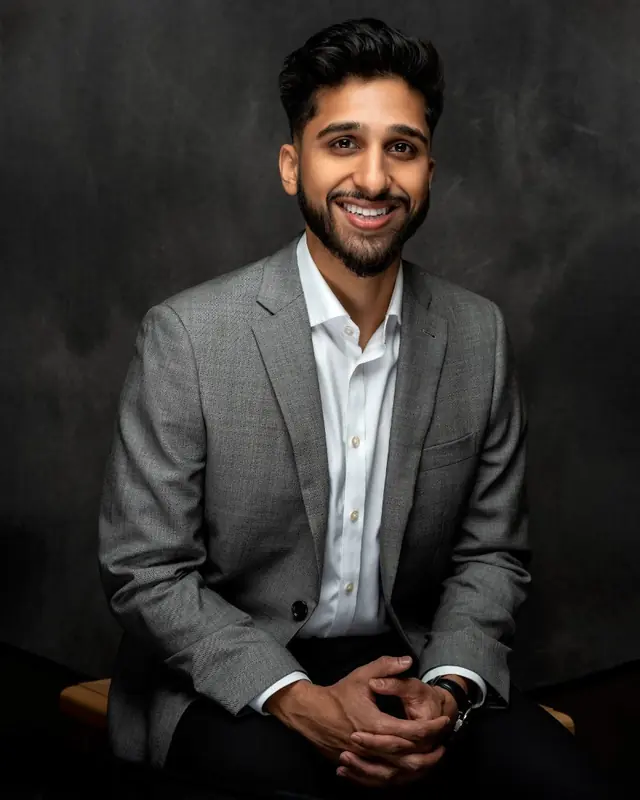
Dr. Aakash Rana, DDS is a general dentist trained at NYU College of Dentistry, with more than $100,000 in continuing education. He plans and treats each case at Prana Dental himself, works with our in-house lab, and refers to a specialist when a case needs one.
There is no upper age limit for implants in itself. The usual lower limit is when the jaw has stopped growing, typically late teens or early adulthood. For older adults, health, bone and the ability to keep the implant clean decide the answer.
Often, yes, if their health is stable and there is enough bone or bone that can be grafted. Medications, healing and daily cleaning are looked at carefully. For some people in their eighties, two implants holding a snap-in denture is a gentler plan than a full fixed arch.
Healing can be a bit slower with age and with some health conditions, so the dentist may allow more time before the final tooth goes on. Many older adults heal well. Not smoking, keeping blood sugar controlled and following aftercare instructions all help.
It depends on the person. Implants give steadier chewing and help preserve bone, while dentures avoid surgery and cost less up front. A snap-in denture on implants sits in between and is often easy for a caregiver to clean.
Usually not: Original Medicare (Parts A and B) leaves out routine dental care, and implants are generally part of that. Some Medicare Advantage plans include dental benefits, but each plan sets its own limits and rules. Call the number on your card and ask specifically about implants, or let our team look into it with you.
Call or text (786) 579-0521 to plan a first visit. We're open, and see patients Monday to Saturday, 8am to 8pm.